Crown Try-In: What to Discuss Before Cementation
- At the try-in the shape, colour, contacts and bite are checked.
- It is better to state wishes specifically and right away.
- Agreed changes are recorded before final fitting.
The try-in is the moment when changes can still be agreed before final cementation. Prepare: write down questions and wishes about shape, colour and feel.
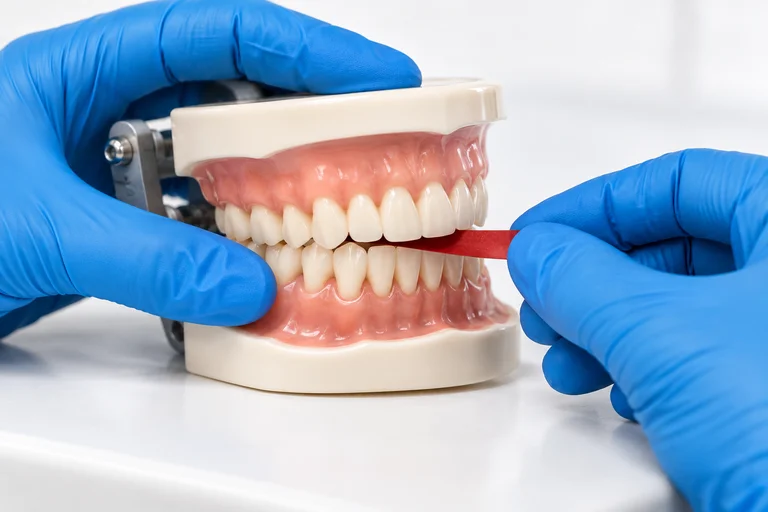
The purpose of the try-in and what the dentist checks
During the try-in the dentist assesses how the restoration fits the tooth, how it looks in the mouth and how the teeth meet. This is the stage at which adjustments can still be made.
Final cementation is done after agreement.
Which wishes about shape to mention
Think in advance about what matters to you: length, width, match with neighbouring teeth, comfort for the tongue.
Show what exactly you want to change — point to a specific area.
How to describe colour and the feel of the bite
It is better to judge colour in daylight, not only in the surgery. Say what bothers you: the shade, translucency, the difference from neighbouring teeth.
When closing, say whether there is a feeling of a high contact, pressure or that something is in the way.
How agreed changes are recorded
Agree what exactly is being changed and ask whether another try-in is needed. Ask what changes are possible at this stage and which require the work to go back to the laboratory.
Questions for the try-in
- Does the shape match my wishes
- How does the colour look in daylight
- Is the bite comfortable, is there a high spot
- Is it comfortable for the tongue and cheeks
- What changes are possible now
- Is another try-in needed
- What to do in the first days after cementation
Print it and take it to the try-in.
Questions and answers
What should I discuss before final cementation?
The shape, colour, feel of the bite and which changes are still possible. After cementation it is harder to adjust.
How do I communicate wishes about shape and feel?
Specifically: point to the area and describe what exactly is not right. This helps the dentist understand what to change.
Read also
Crown Feels Too High: A Bite Check
Dentika in Lutsk: checking how teeth meet after a crown is fitted. Information for your restorative consultation.
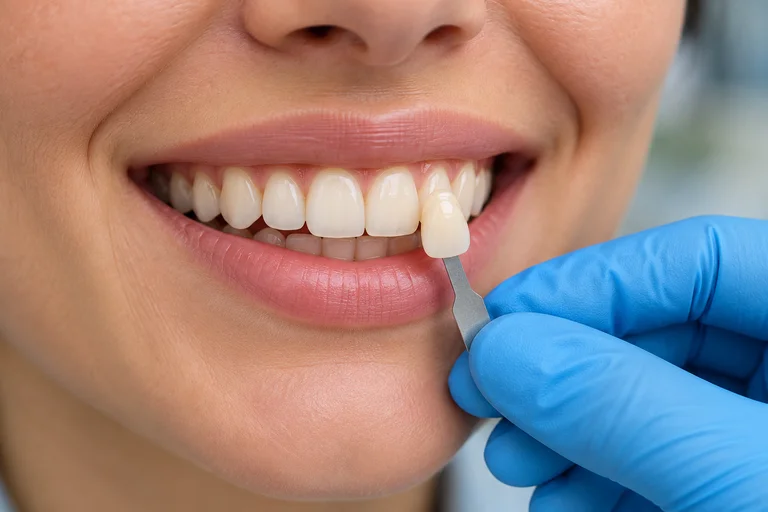
Crown Shade in Different Light: How to Discuss It
Dentika in Lutsk: discussing a restoration’s shade before final approval. Information for your restorative consultation.
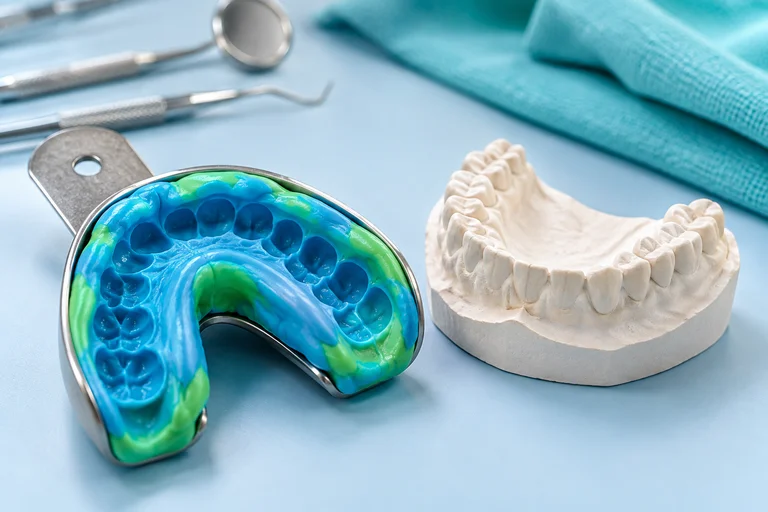
Crown Laboratory Stages: Why Try-Ins Vary
Dentika in Lutsk: coordinating fabrication, adjustments and try-ins without a fixed delivery promise. Information for your restorative consultation.
The material is for reference and does not replace a doctor’s consultation. The text was prepared by the site editors; review by a clinic doctor is in progress.